
How A New Scanner Can Help With Your Demanding Workload
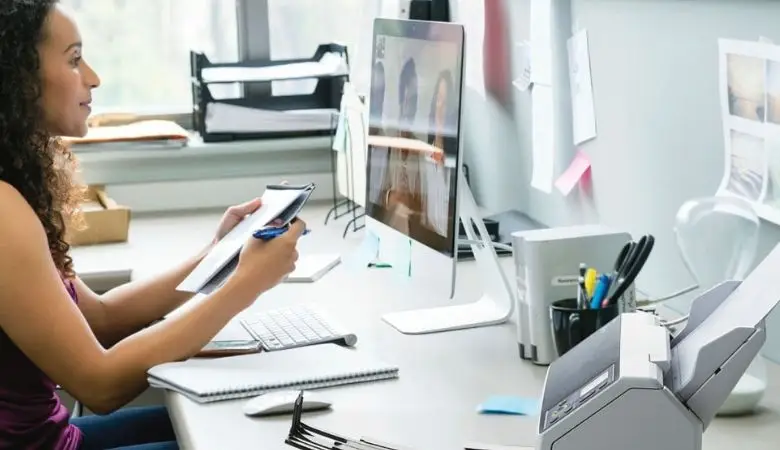
As workloads grow more complex and document volumes continue to increase, outdated equipment can quickly become a bottleneck. Many teams still rely on aging scanners that struggle to keep up with daily demands, leading to slow processing times, paper jams, and inconsistent results. Upgrading to a modern desktop scanner can make a measurable difference in productivity, accuracy, and overall workflow efficiency—especially for organizations that manage documents all day, every day.
Whether you work in accounting, healthcare, legal services, education, or operations, scanning is often the first step in moving information where it needs to go. A new scanner built for high-performance environments helps teams work faster, reduce frustration, and maintain consistency even during peak workloads.
Heavy Duty Design
One of the most important benefits of a modern scanner is its heavy duty design. High-demand environments require hardware that can operate continuously without overheating, slowing down, or breaking down under pressure. A scanner designed for demanding workloads is built with durable components that support long hours of operation and large daily scan volumes.
Heavy duty scanners are engineered to maintain consistent speed and image quality throughout the workday. This reliability is especially important in departments that handle time-sensitive documents, such as invoices, contracts, patient records, or compliance paperwork. When equipment performs consistently, teams can focus on their work instead of troubleshooting hardware issues.
Durability also supports long-term value. Investing in a scanner designed for demanding use reduces the likelihood of frequent repairs or premature replacement. Over time, this reliability translates into lower total cost of ownership and fewer workflow disruptions.
For teams that handle a wide range of documents—from multi-page reports to small slips of paper—having purpose-built scanning solutions matters. While a heavy duty desktop scanner handles bulk document workflows, specialized tools like a receipt scanner ensure smaller documents are captured quickly and accurately. Together, these tools create a scanning environment that can adapt to different document types without slowing productivity.
Exceptional Paper Handling
Paper handling is one of the most common pain points in high-volume scanning. Mixed document sizes, varying paper weights, and fragile originals can all lead to misfeeds and jams if the scanner isn’t up to the task. Modern scanners address this challenge with advanced paper handling technology designed to process documents smoothly and consistently.
Exceptional paper handling means fewer interruptions. Features such as intelligent feed detection, precise rollers, and separation mechanisms help ensure each page is scanned correctly the first time. This is especially valuable when scanning batches that include thin receipts, thicker cardstock, or slightly damaged documents.
Accurate paper handling also improves data quality. When documents are fed correctly, images are cleaner, OCR accuracy improves, and rescans are minimized. This not only saves time but also reduces frustration for teams that rely on accurate digital records.
In demanding environments, efficiency doesn’t stop at scanning—it extends to how documents move through the organization. Pairing high-performance scanners with cloud capture solutions helps ensure scanned documents are processed, routed, and stored quickly and securely. Cloud-based capture reduces manual steps, supports remote access, and allows teams to scale workflows without adding complexity.
Supporting Faster, Smarter Workflows
A new scanner doesn’t just improve speed—it changes how work gets done. Faster scanning allows teams to process backlogs more efficiently, respond to requests sooner, and keep information moving without delays. When documents are digitized quickly, they become accessible across systems, departments, and locations.
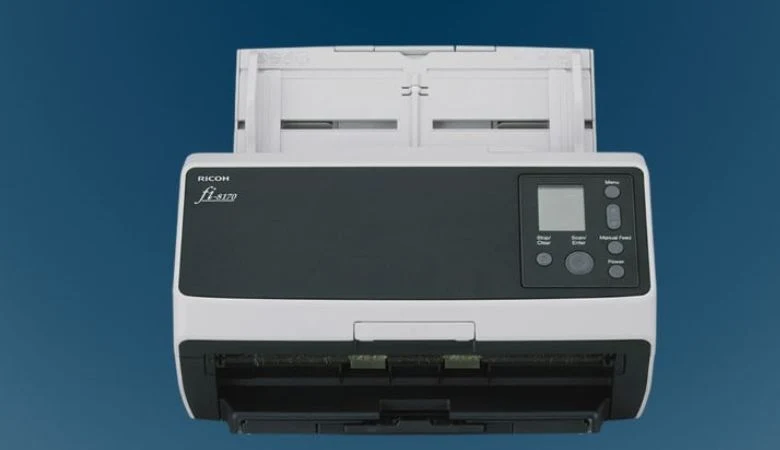
Modern scanners also support automation. Intelligent features such as automatic image enhancement, file naming, and destination routing reduce manual intervention. This level of automation is essential for teams managing large volumes of documents with limited time and resources.
Scalability is another advantage. As organizations grow or take on new responsibilities, scanning demands often increase. A scanner designed for demanding workloads can grow with the business, supporting higher volumes without requiring constant upgrades or workarounds.
A Practical Upgrade With Immediate Impact
If your team is struggling to keep up with document volume, upgrading your scanning equipment is one of the most practical changes you can make. A heavy duty design and exceptional paper handling directly address the challenges of demanding workloads, while cloud-enabled workflows extend efficiency beyond the scanner itself.
By choosing modern scanning solutions built for performance and reliability, organizations can reduce downtime, improve accuracy, and empower teams to work smarter—not harder. In fast-paced environments, the right scanner isn’t just a convenience; it’s a critical tool for keeping operations moving forward.