
AI in Gadgets: Agentic AI in Smartphones, Cars, and Home

Agentic AI is changing your smartphone; it can now do more than answer questions. It can help complete tasks, manage apps and work with other digital applications. This change is making everyday devices more useful.
You no longer just chat with a bot. You now live with agentic AI, which plans tasks and finishes them for you.
AI is growing into a bigger part of smartphones, smart TVs, cars, watches and home devices. However, not every gadget has the same features. Some can complete tasks, while others can only answer questions or make recommendations.
What Is Agentic AI in Gadgets?
Old assistants waited for your question. New ones watch for your needs. They plan the steps, pick the tools, and finish the job.
That is the core idea behind agentic AI. You set a goal, and your gadget works out how to reach it.
For example, you say, “Get me home by 6 and keep dinner simple.” Your phone then checks traffic, your calendar, and your shopping list.
Chips make these tasks possible. Modern phones include a Neural Processing Unit, or NPU.
An NPU runs AI tasks fast and uses little power. As a result, your device handles much of your data. This helps your privacy and cuts delays.
For users, the biggest benefit is its simplicity. You can save time, reduce repeated work and get help with daily tasks. Still, you should remain in control of actions that involve money, private data or important decisions.
The best AI gadgets are not always the ones with the most features. Instead, look for devices that solve real problems, work well and maintain your privacy.
In practice, Agentic AI is most useful when it can complete a clear task with fewer steps. Yet, you should be able to review its actions, correct mistakes and stop a task whenever needed.
How Gadgets Use AI in 2026
AI is no longer limited to chatbots and voice assistants. It is now being used in multiple types of consumer-level devices.
Let us look at where you will experience this change most. I will also point out where the hype goes too far.
1. Smartphones
Your phone is now a planner, not just a search box. Instead of searching for a recipe, it can suggest a meal, check what you have, and build a shopping list. Some apps can even place the order if you allow it.
In my experience, the tool works best for small and clear jobs. Agentic AI still struggles with vague goals. So start with simple tasks, like booking a cab or sorting photos.
Most voice requests went to the cloud. Today, many tasks run on your phone. Your voice and face data can stay with you. However, not every feature works this way. Check your settings to see which tasks stay local.
2. Wearables
Wearables now watch trends in your body, not just your steps. Smart rings and watches track heart rate, heart rate variability (HRV), sleep, and skin temperature. AI compares today with your own normal level. Big changes can signal stress or illness.
Please keep your expectations realistic. The strongest proof so far is heart rhythm alerts.
In one Apple Watch study, 84% of irregular pulse alerts were confirmed as atrial fibrillation. Treat other alerts as a nudge to rest or get tested. They are not a diagnosis.
Smart glasses are also growing. Some can read signs aloud, translate text, or describe what you see. They help most when you travel or need hands-free help.
3. Cars
Your car now watches you as well as the road. Under EU rules that began on 7 July 2026, every newly built car and van must have a driver attention camera. One report says alarms trigger if you look away for about 3.5 seconds.
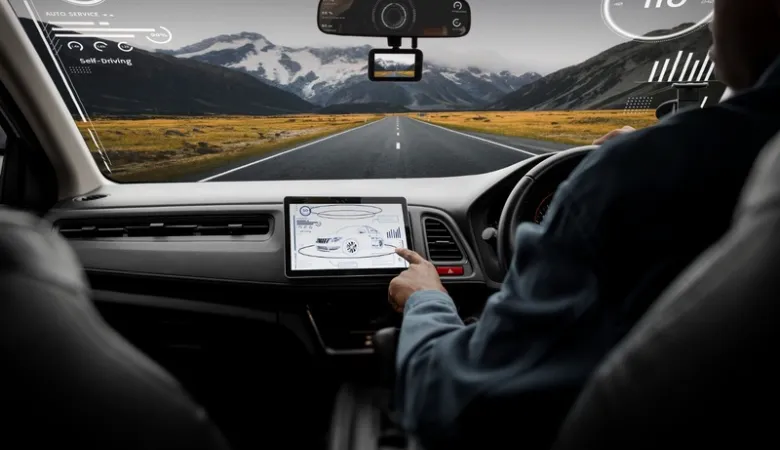
This technology can save lives. However, it also raises privacy questions. Ask any dealer where camera data is stored and who can see it. Cars are also starting to talk to traffic signals and roads, known as V2X. Coverage still depends on your city, so do not count on it yet.
4. Smart Home
Old smart homes ran on rules, like “if motion, then light.” Newer systems let you set a goal, like keeping energy bills low. Then the AI handles the steps.
At CES 2026, industry leaders described AI agents as moving from novelty to core infrastructure in the smart home.
Cameras are smarter too. Many now tell people, pets, and packages apart. This means fewer false alerts. The same CES report also notes that cameras are becoming “super sensors” that mix radar, motion, and other data.
Energy tools can act for you as well. For example, they can charge a home battery when power is cheap and use it when prices rise. Your savings depend on your tariff, your battery, and local rules. So check the details before you buy.
5. Customer Support
Support bots have improved a lot. Many can now process refunds, book repairs, and update accounts. Gartner predicts that AI agents will solve 80% of common service issues on their own by 2029 and cut costs by 30%.
However, today’s reality is more modest. One 2026 roundup reports that only 14% of issues are fully solved through self-service, and 64% of customers wish companies would stop using AI in support.
So good design matters. Always look for a clear way to reach a human being.
What Is the Future of AI in Gadgets?
AI will continue to grow into a bigger part of consumer technology.
In the coming years, we may see better connections between smartphones, cars, wearables and smart home devices.
For example, your phone may help manage your calendar while your smartwatch tracks your activity. Your smart home system may then use your chosen settings to adjust lighting and temperature.
However, this future will rely on better software, secure data sharing and support from device makers.
We may also see more gadgets that can carry out tasks across different apps. This could reduce the need to switch between several tools for simple activities.
Still, human control will continue to be important. Devices should ask for approval before taking actions that require money, private information or safety.
Your best move is simple. Pick one gadget, test one agent feature, and judge it by the time it saves you
Also Read: These 7 WiFi Tips Will Help You