
How Estheticians Reduce Irritation After Treatments
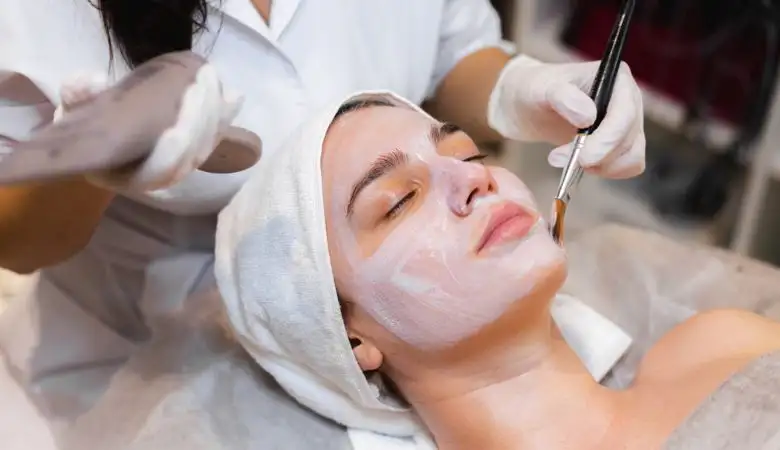
Many of us can attest that the skin feels overstimulated right after a treatment. In fact, this has become so common that people tend to write it off as ‘natural.’ However, nothing about overstimulated skin is ‘normal.’
However, if the sensation persists beyond the 48-hour marker, things are not right. No need to be alarmed; we will guide you through this situation and help you understand how to reduce this discomfort using the same methods estheticians use.
Here we go!
Why The Skin Feels Irritated After Treatment?
In general, most available treatments include stressing the skin to create a fresh base that could allow you to rebuild. As a result, the skin reacts to these stressor signals accordingly and gets overstimulated.
Some general signs of overstimulated skin include inflammation, redness, swelling, and a tightness around the cheeks and forehead. While some people may get alarmed, this is just your skin’s way of dealing with the stress.
The problem begins when that sensation persists for an extended period. This is because such a reaction is usually due to a compromised barrier in treated skin.
Normal vs Abnormal Irritation
Nothing about red and inflamed skin is normal in any way. In fact, it is a clear sign that something could have gone wrong. This is why a brisk rundown of the urgency of the situation:
- Green: Diffuse pinkness, warmth, tightness; mild sensitivity that resolves within 24–48 hours.
- Yellow: Pinpoint scabs at extraction sites or micro‑injury points; light flaking after peels or lasers. Monitor, moisturise, and protect.
- Red: preading redness, oozing crusts, intense itch/burn, worsening pain, fever, or dark patches appearing after unprotected sun or heat. Call your skin professional.
Esthetician’s Take On Minimizing Irritation
Some irritation is a part of the journey. However, a good esthetician knows how to reduce this post-treatment discomfort. This is generally done using moderate steam heat, limiting aggressive extraction, and topping it off with barrier-supportive layers or mineral sunscreens.
This is the general route estheticians take to reduce inflammation and keep the skin as protected as possible. Professionals generally prefer barrier-safe actives such as zinc oxide, which do not irritate the skin excessively.
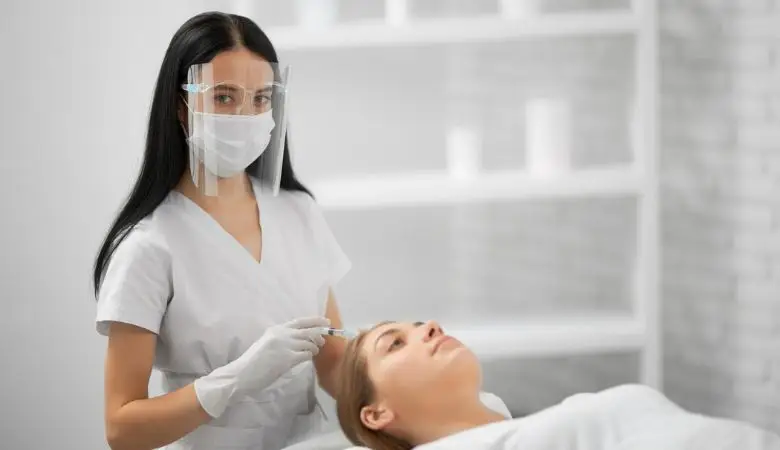
In fact, professionals also tend to use tools that are not readily accessible at home, such as high‑frequency devices for post‑extraction breakouts or LED devices for calming. This is generally how Esthetician recommended skincare minimise irritation.
Therefore, you too need to follow if you are expecting professional results at home
How pros prevent Downtime?
Professional estheticians reduce downtime or healing time by applying sufficient barrier-safe actives and ingredients that help coat the skin. These barriers act as a shield to protect the sensitised skin after a treatment.
Time‑Boxed Playbook Of First 48 Hours
Skin treatments come in many different formats. Here is a brisk rundown of what you should do and what you should avoid for respective skin treatments:
A) Classic Facials & Extractions
Here is what you should do and what you should not do if you get a classic extraction or a facial.
Do
- Apply a cool compress soaked in cold water and a clean towel for 5 to 10 minutes, or as required.
- Cleanse with lukewarm water and a gentle, fragrance‑free cleanser. Pat the skin dry and do not rub too hard.
- Moisturise generously to trap the moisture in. Moisturisers containing ingredients like ceramides, glycerin, and hyaluronic acid are great.
Don’t
- Do not touch or prick the stimulated surface.
- Wear heavy-metal-induced makeup for at least 48 hours, or until the redness subsides.
B) Chemical Peels
Here is what you should do, as well as avoid, if you get a chemical peel treatment done by a professional
Do
- Prioritise moisturising the surface to combat the tightness and flaking.
- Hydrate the skin inside and out using barrier balms.
- Transepidermal water loss, but only do it if the professional suggests.
Don’t
- Use acids, retinoids, or fragranced products until cleared
- Avoid direct sunlight and heat.
C) Microneedling / Laser
Here is a brisk rundown of what you must avoid and consider if you get microneedling or a laser procedure.
Do
- Cleanse the skin gently with soft water and non-abrasive products as per esthetician protocols.
- Change to fresh pillowcases and avoid any contact with the pets.
Don’t
- Do not go to the beach or anywhere that can burn your skin.
- Avoid makeup till the micro-needling wounds heal.
D) Waxing (Face / Body)
Waxing is not really a skin treatment, but here is what you should follow right after getting it done:
Do
- Keep your hand off. Do not even let your pet or kid touch the area.
- Start gentle exfoliation as per esthetician protocols to prevent ingrown hair.
Don’t
- Avoid adding heat to the skin as waxing leaves microscopic wounds that can become infected or worsen.
- Skip workouts to avoid sweating and leaving salt residue, which can hurt.
Ingredient Roadmap For First Week
There are actual esthetician protocols that you must follow after a treatment. However, the list does not stop there. Here is a breakdown of the things that you need to pause using or lean on during the downtime after a treatment
What To Lean On?
- You should use humectants & barrier builders like hyaluronic acid, glycerin, ceramides, panthenol; consider colloidal oatmeal or bisabolol/allantoin if you feel “itchy‑sensitive.”
- Also, lean on SPF products that specifically contain barrier-friendly actives such as zinc oxide/titanium dioxide.
What To Pause
- Try to steer clear of retinoids, AHA/BHA, and Vitamin C.
- Do not use fragrances as they contain heavy elements that can hyperstimulate the skin and increase discomfort.
Red Flags: When To Call
A treatment is meant to fix your problems and not add to them. Therefore, if you are facing serious issues like persistent discomfort, redness or radiation pain, then it is time you must consider re-visiting the professional.
Every sensation you feel on your skin is a signal. Therefore, do not write them off as ‘random flare-ups.’ This is because these random flare-ups could often lead to serious problems. Therefore, it is good to expect professional results at home for a skin treatment but not at the cost of your skin.